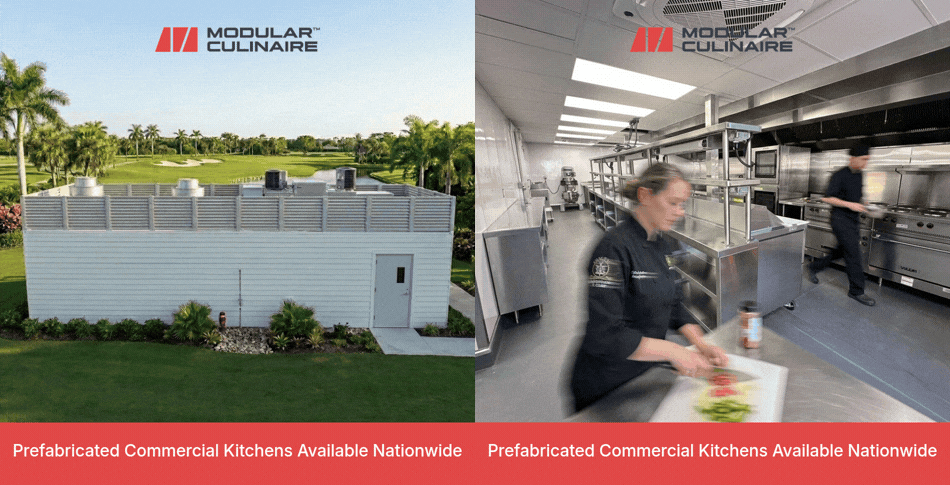
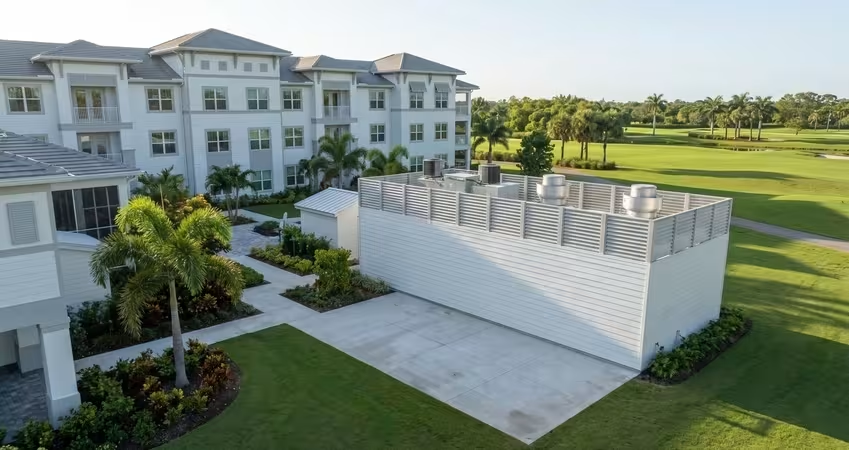
Most of what's written about replacing a senior living kitchen assumes a single, clean swap: the old kitchen comes out, the new one goes in, done. That's a real scenario, and if it's yours, a straight-up modular replacement avoids the shutdown question entirely: there's no interim kitchen to plan for at all.
But a lot of capital projects aren't that contained. When the kitchen renovation is one phase of a broader campus project (a dining room moving, a building wing closing for months, construction sequenced around residents who can't simply relocate), the question changes. It's no longer modular or traditional. It's which modular path, because off-site manufacturing now comes in two forms, and they answer different parts of a phased project.
This isn't a rebuild of the modular-versus-traditional case: that decision is assumed won already. This is about what happens next, once the project has more than one phase.
The Two Modular Paths
The permanent modular kitchen
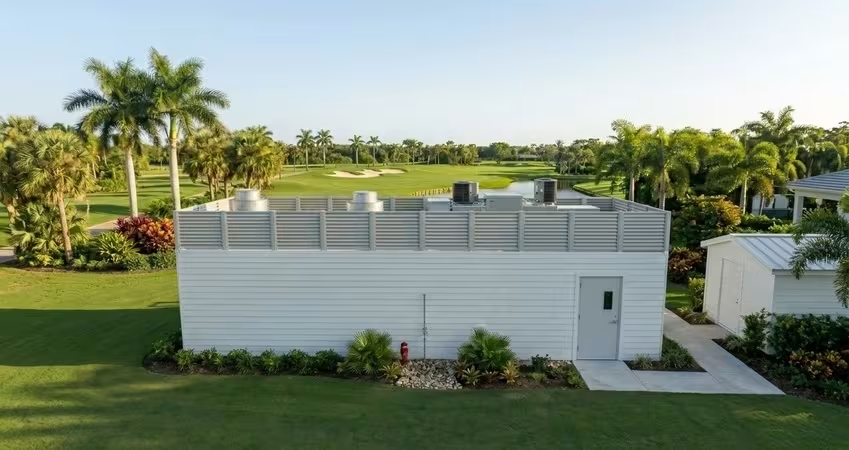
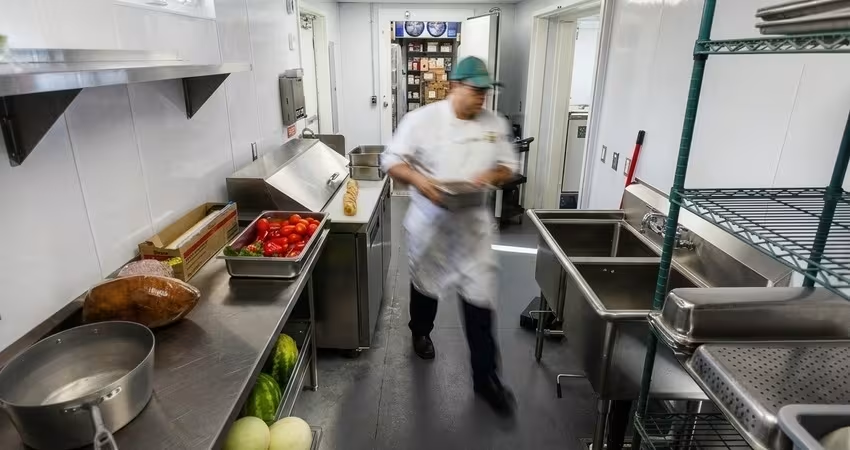
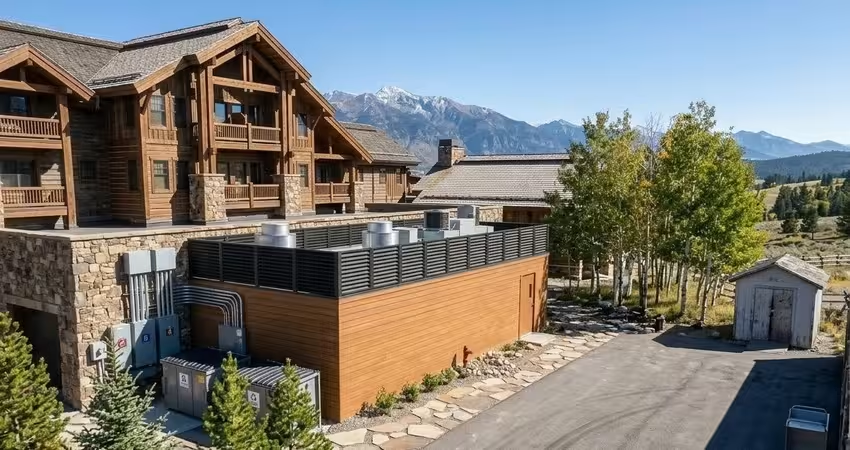
Manufactured off-site to the same commercial-grade, code-compliant standard as a brick-and-mortar build, then delivered and installed as the facility's long-term kitchen. It's the end state for most full rebuilds and expansions.
The relocatable, semi-permanent modular kitchen
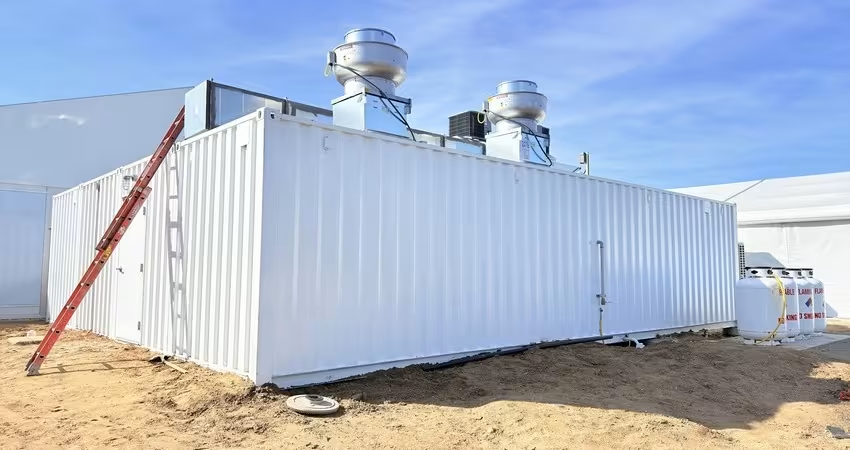
Built to the same commercial standard but engineered to be moved: reused on a different footprint, redeployed to another site, or removed entirely once it's done its job. It's the bridge, not the destination.
Neither is a downgrade of the other. They're sized for different jobs in the same project.
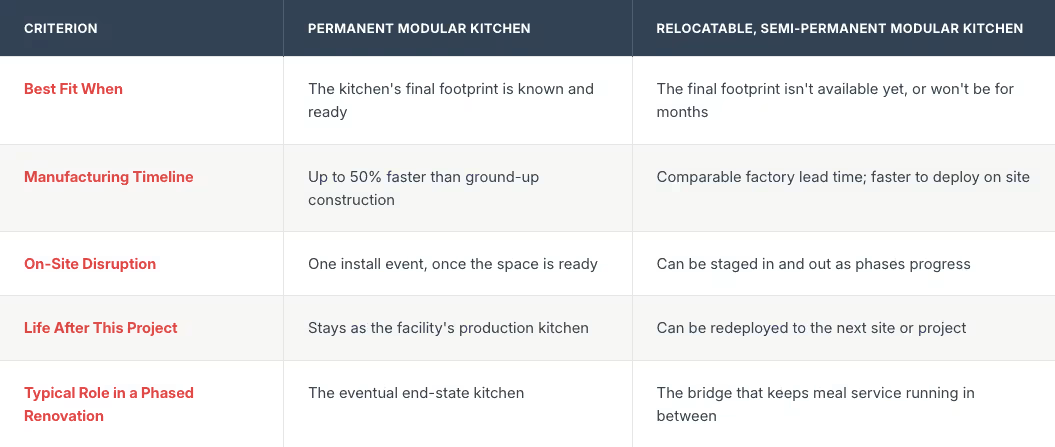
Note: a single project can use both, with a relocatable kitchen covering service while the permanent kitchen is manufactured and the space it will occupy is finished.
Dining Is the Score This Role Owns, and Either Path Has to Protect It
Family satisfaction with dining has become one of the fastest-moving drivers of overall resident and family satisfaction in senior living, and it's a line this role is measured on directly, not a secondary metric a facilities team owns. An aging, failing, or torn-apart kitchen puts that score at risk regardless of which modular path gets chosen. The question is only how much of the project the resident actually feels.
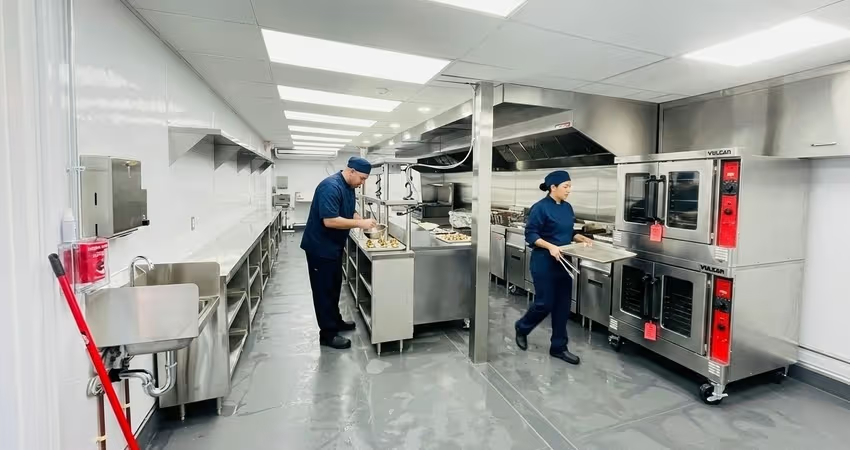
Tip: whichever path you choose, ask the manufacturer what equipment and finish specification residents and families will actually see day to day. A relocatable kitchen covering an interim phase is still a reflection of the dining program while it's in use.
When the Renovation Reaches Beyond the Kitchen's Four Walls
This is where the relocatable path earns its place.
Phased senior living renovations are already common
Occupied senior living renovations are routinely phased over many months, not because operators want it that way, but because residents can't be displaced the way an empty building could be.
Presbyterian Senior Living's Cathedral Village Corridor project, for example, ran a 14-month phased renovation specifically built around keeping the occupied campus running zone by zone. Casa de las Campanas took the same approach at a larger scale, sequencing its dining spaces as phase one of a multi-phase campus modernization before moving on to its care buildings. One Wisconsin community got its entire foodservice program through a three-phase renovation without outsourcing a single meal, precisely by sequencing temporary kitchen capacity ahead of the main kitchen's redo.
That's the scenario a relocatable kitchen is built for: it isn't the final answer, it's what keeps the dining program running while the final answer is being built and the space for it is being prepared.
Modular Culinaire's own experience: Front Porch
A nonprofit senior living operator in California. We supplied an 850 sq ft kitchen, including staff training, to keep food service running during a community renovation. It's the direct, real-world version of the bridge scenario described above, and it's documented in full as a case study.
Proof it holds up over the long run: Frenchman's Creek
Outside senior living, the clearest proof that a relocatable kitchen holds up over a genuinely long phased timeline is Frenchman's Creek Beach and Country Club, a high-end private club in Florida that purchased a relocatable modular kitchen and ran it for three years through a multi-year renovation, serving thousands of meals at a premium-service standard the whole time. It's cross-vertical proof, not a senior living case, but it answers the "won't this feel temporary" objection directly: three years at a demanding, hospitality-grade standard is not a stopgap.

Compliance Exposure Doesn't Disappear With Either Path
The citation risk, and what the permit record does and doesn't cover
Senior living kitchens are inspected under state food-sanitation and assisted-living licensing rules, and "failed to maintain the kitchen in good repair" is a real, recurring citation category, which makes kitchen condition a compliance risk this role owns personally, not just an operations question. Modular Culinaire's base credibility here is a 100% building-permit approval record across 400-plus delivered kitchens, covering both the permanent and relocatable product lines.
Note: that permit record is a general commercial-code track record. Whether it's been specifically tested against state food-sanitation and assisted-living-licensing code, as opposed to standard commercial building code, is an open question we don't have a verified answer to yet. If this is a gating concern for your state, raise it directly in discovery rather than assuming either modular path automatically clears it.
Why this role owns the exposure personally
The credential that sits behind this role matters here too: CMS lists the Certified Dietary Manager, Certified Food Protection Professional (CDM, CFPP) credential as the qualifying standard for a facility's Director of Food and Nutrition Services where no full-time dietitian is on staff. That's exactly the role that ends up defending a kitchen-condition citation to a surveyor.
Sequencing Both Paths Together
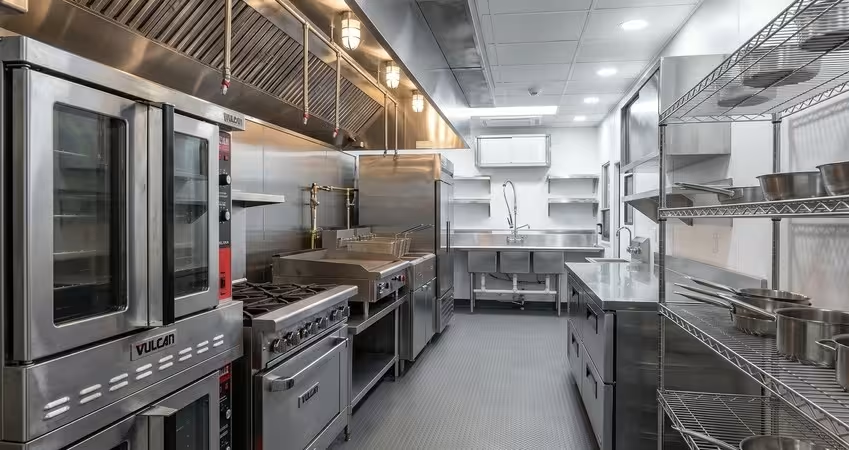
For a true phased renovation, the practical answer is usually not "pick one." It's sequencing: a relocatable kitchen bridges food service while the permanent kitchen is manufactured in parallel and its final space finished, then the relocatable unit is removed or redeployed once the permanent kitchen is ready to connect.
That sequencing is what keeps a multi-phase campus project from ever forcing a choice between construction progress and an occupied community's meal service.
When a Straight Rebuild Is Genuinely the Simpler Call
If the final kitchen footprint is already available (an existing commercial space being gutted and replaced in place, with no broader campus phasing around it), a relocatable bridge kitchen is extra cost and coordination you don't need.
That's the scenario the no-shutdown path above already covers well: one permanent kitchen, one install, no interim phase. Reach for a relocatable kitchen only when the project genuinely has a gap to bridge.
Let’s Talk
Expecting a kitchen project, straight replacement or multi-phase renovation, sometime in the next two years? Bring your timeline to Modular Culinaire and work out which path, or which sequence of both, actually fits it.
Disclaimer
Permitting rules, food-sanitation inspection standards, and long-term care licensing requirements differ by state and locality. Check the exact requirements that apply to your project with your state's health department and local building officials before locking in a timeline or choosing between a permanent and relocatable kitchen.
People Also Ask (FAQ)
Can a senior living community use both a permanent and a relocatable modular kitchen in the same project?
Yes. In a phased renovation, it's common to deploy a mobile kitchen to cover food service while the permanent kitchen is manufactured off-site and its final space is prepared, then transition once the permanent kitchen is ready to connect.
Is a relocatable modular kitchen only a short-term solution?
Not necessarily. Frenchman's Creek Beach and Country Club ran a purchased relocatable kitchen for three years through a multi-year renovation at a high-end hospitality standard. It's built for sustained use, not just a few weeks.
Does a modular kitchen need its own building permit, separate from the main campus renovation?
Typically yes, and this varies by jurisdiction. Modular Culinaire's kitchens carry a 100% building-permit approval record across 400-plus installations, but confirm requirements with your local authority having jurisdiction before finalizing a timeline.
Tell us about your kitchen needs and request a quote.

Turnkey prefabricated kitchen
Proudly made in-house in the USA
Commercial grade kitchen equipment
Code-compliant
Trusted by Industry Leaders



