When a hospitality architect programs a new clubhouse or resort kitchen, "prefabricated" rarely makes the shortlist. The assumption runs deep: prefab means a rental, something you'd never stamp for a permanent, high-end property. That assumption is wrong, and it's costing architects a legitimate option before they've evaluated it.
A permanent factory-built kitchen is manufactured off-site to the same code requirements as a site-built one, delivered 95% finished, and stamped for permanent occupancy, not leased for a season.
The Assumption: "Prefab Means Temporary"
Most hospitality architects carry one belief into a kitchen program untested: prefab means compromise, something a client will read as temporary. It rarely gets said out loud. It just quietly removes an option before a foodservice consultant is even in the room.
That shows up in predictable places:
- A tight-budget project where off-site manufacturing never comes up, because no one has specified it before.
- A club board that hears "factory-built" and pictures a trailer.
- A basis-of-design that rules it out by default.
Note: This is a gap in exposure, not judgment. Most hospitality practices have never had reason to evaluate a permanent, off-site-manufactured kitchen against a site-built one.
Where the Assumption Comes From
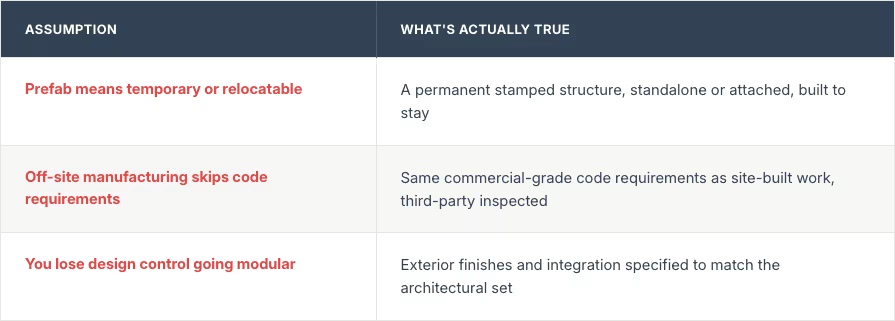
The belief has a real history. Codes were written with site-built construction in mind, and "prefab" spent decades tied to post-war classrooms and relocatable units that really were temporary.
Research backs this up: a study of architects' and contractors' perceptions of offsite construction found the technique wasn't widely used as of 2005, even though both groups recognized real quality and schedule advantages.
Code treatment adds to the confusion, too. AIA's contracts team has noted that codes like the International Building Code were drafted around a traditional, trade-by-trade sequence, making off-site work feel unfamiliar even where the code applies the same way.
Tip: If you've never specified an off-site-manufactured kitchen, that's the norm. The category hasn't crossed most hospitality desks yet.
What a Permanent Factory-Built Kitchen Actually Is
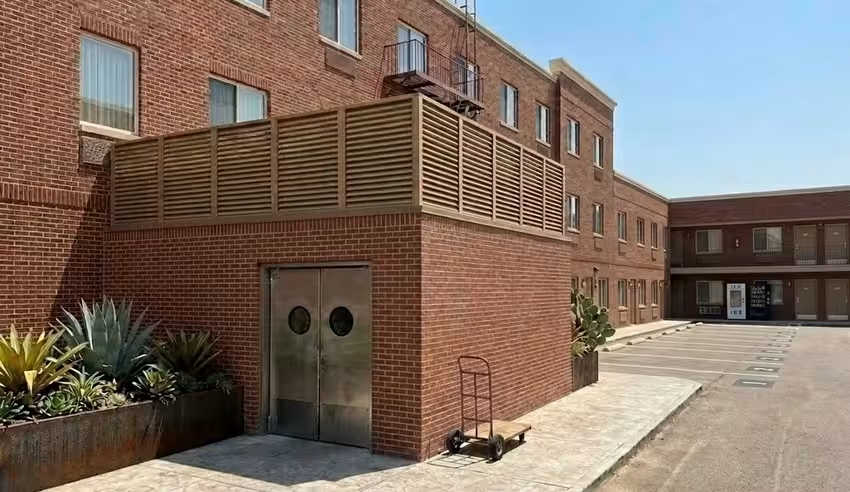
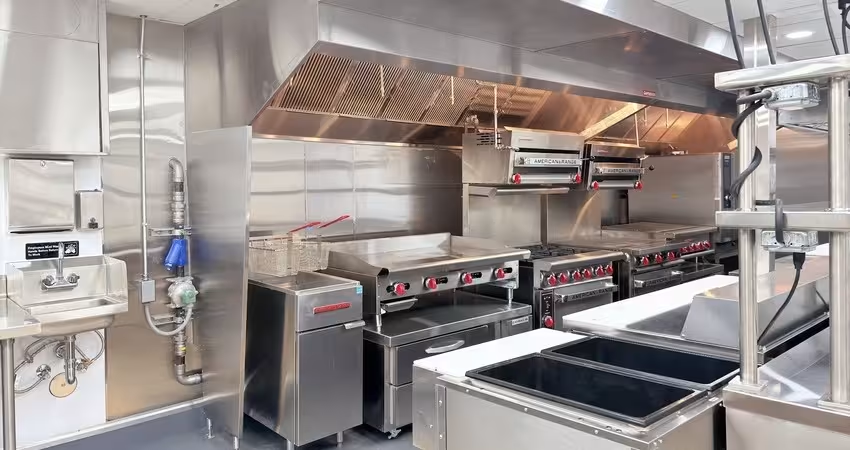
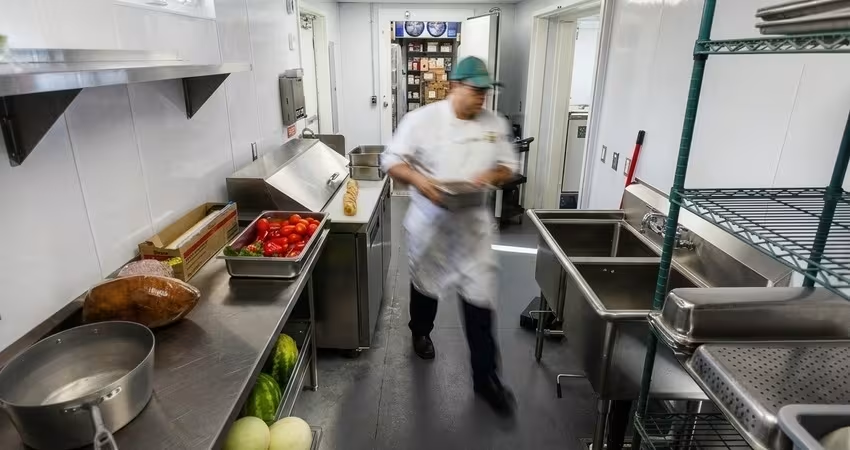
A permanent factory-built kitchen is a code-compliant, permanently stamped commercial kitchen: manufactured off-site, delivered roughly 95% finished, equipment and HVAC already installed. It's not a rental, and it's not relocatable by default. Off-site describes where it's built, not how long it's meant to last.
The International Code Council announced new provisions in the 2027 International Codes to streamline jurisdictional approval of off-site construction. The review gap is closing, not proof of a lesser category.
The Proof: Apogee Golf and Boyne Resorts
Two projects show this under real hospitality constraints: a hard pre-opening date on one, a fixed seasonal window on the other. Both are now in daily service, not sitting on an expired lease.
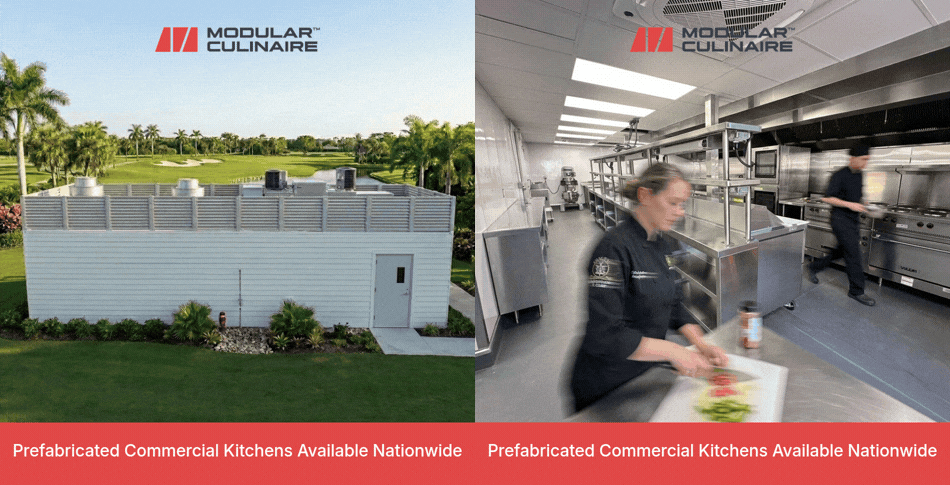
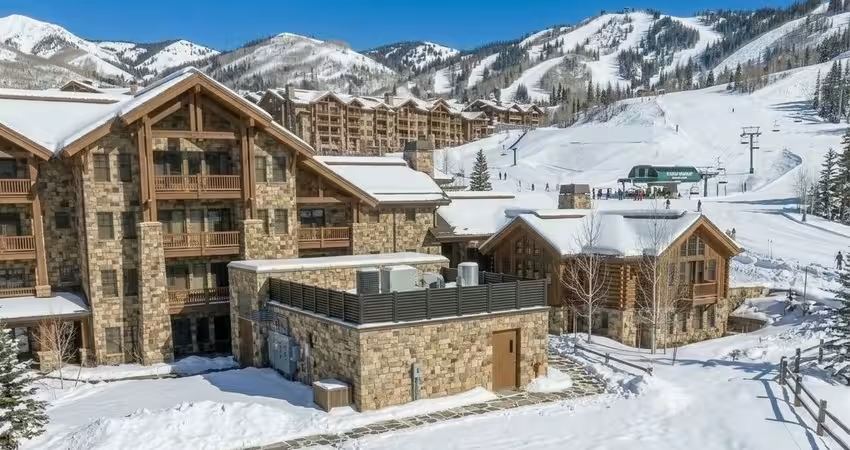
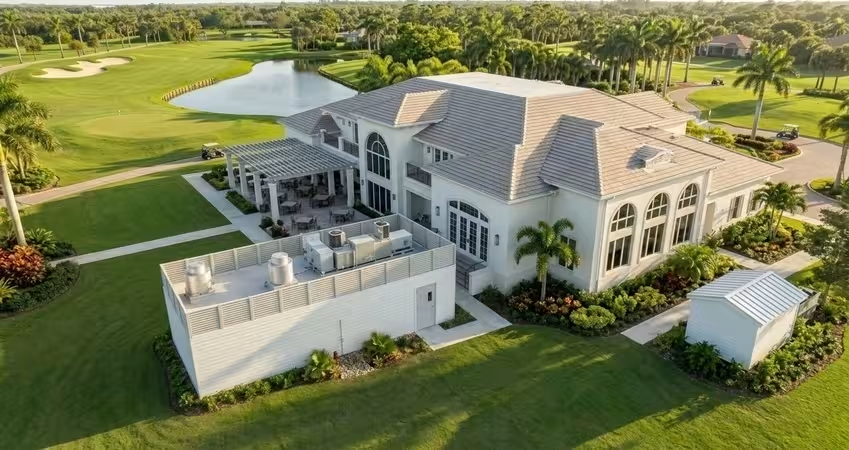
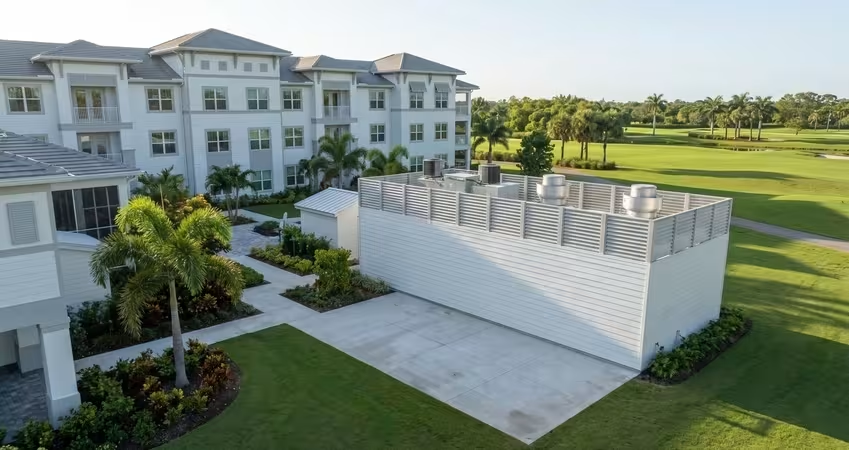
Apogee Golf, a private golf club in Jupiter, Florida, needed a 1,280-square-foot kitchen for a tight pre-opening schedule. Modular Culinaire took it from production to installation in seven weeks; it now runs 2,000-plus meals a day, built to hurricane-rated standards.
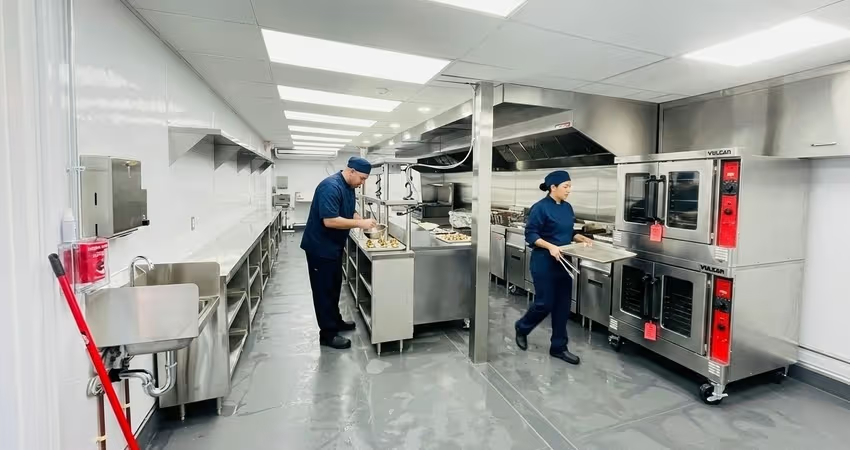
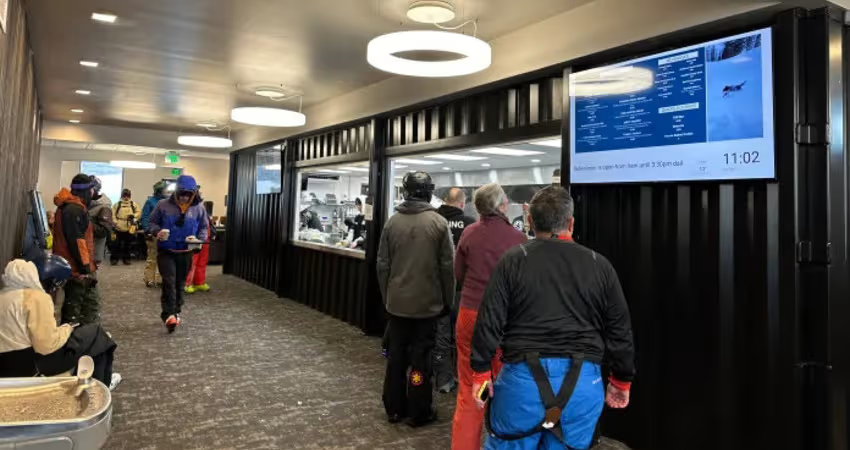
Boyne Resorts, a ski resort group across North America, needed a 640-square-foot kitchen operational before ski season, inside a fixed May-to-September window. It was manufactured in twelve weeks and attached to a new ski-lodge dining building.
Both carry the same credentials as a site-built structure: IBC compliance, third-party inspection, and PE-stamped drawings. Neither reads as temporary, because neither is.
What Doesn't Change When You Specify One
There's no catch on quality. What changes is where the labor happens and how predictable the schedule is, not what the kitchen may look like or how long it lasts.
- Code compliance: same IBC requirements, inspection, and permit path as site-built.
- Design control: customizable exterior finishes, integration matched to the architectural set.
- Track record: Modular Culinaire has delivered 400+ units over 10+ years, approved in multiple states, 100% permit-approval record.
A kitchen in theme-matched cladding for a hurricane-climate park proves the same point: finish follows the project, not the method.
Where This Fits in Your Workflow
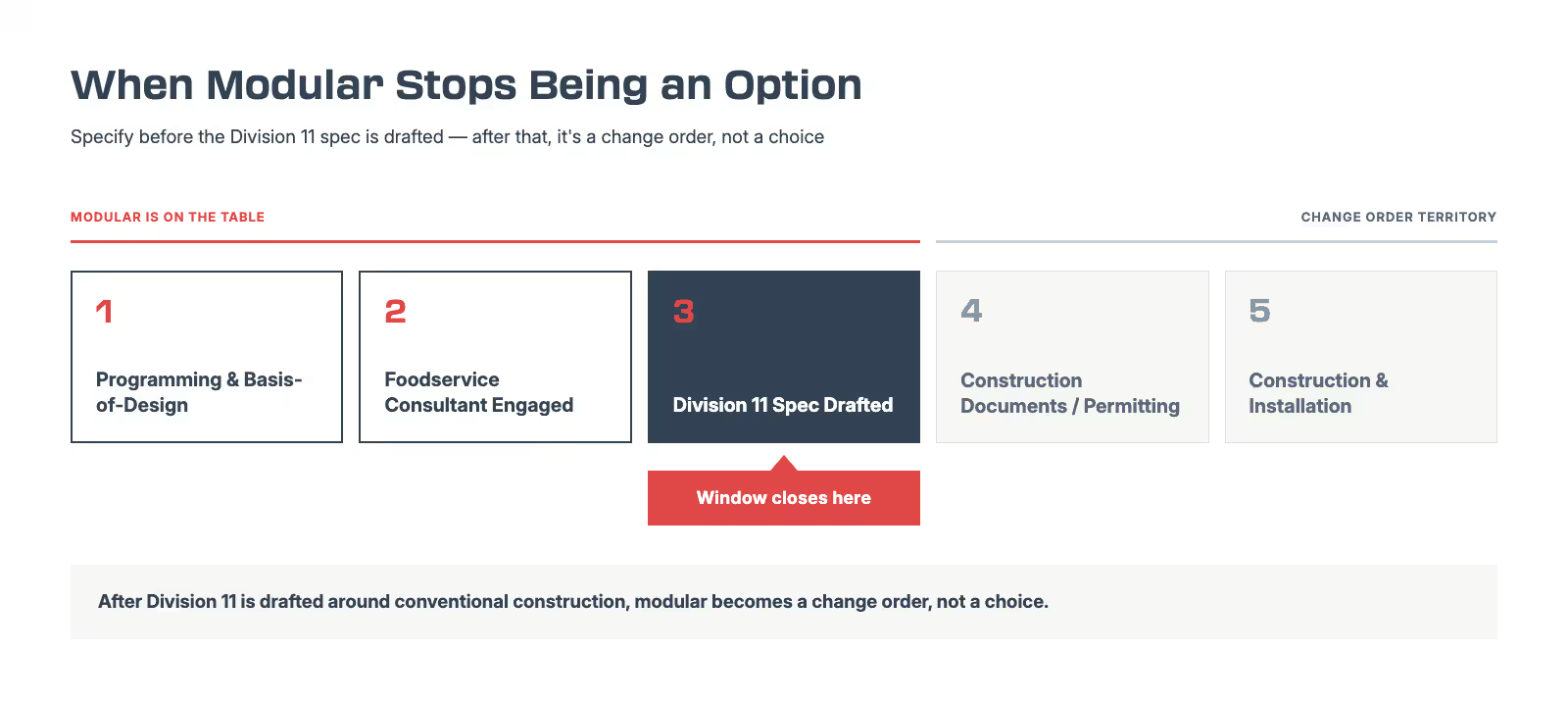
Timing decides whether this stays on the table: programming and basis-of-design, before the foodservice consultant drafts the Division 11 equipment spec (the kitchen-equipment section of a CSI-format document). After that, modular stops being an option.
What you get at that stage:
- Revit/CAD families, placed directly in your model.
- CSI-format Division 11 spec language, ready for the consultant's deliverable.
- PE-stamped, signed and sealed plans via client portal.
- Floor plans from 160 to 6,400+ square feet.
What we ask: include Modular Culinaire in the basis-of-design before the spec is locked, introduce us to the foodservice consultant, and bring us in wherever timeline or budget is the live problem.
Disclaimer
Code and permitting treatment of off-site construction varies by state and jurisdiction, and standards continue to evolve. Confirm current requirements with the authority having jurisdiction before finalizing a basis-of-design around a permanent factory-built kitchen.
People Also Ask (FAQ)
Can a modular kitchen considered permanent?
Yes. Permanence comes down to length of use, not the structure or the construction method. A kitchen installed for the long term, with no planned end date, functions as a permanent structure regardless of how it was built.
Does a factory-built kitchen meet the same building code as a site-built one?
Yes. Off-site-manufactured kitchens are built to the same IBC requirements, third-party inspected before leaving the factory. The International Code Council has been expanding standards to make review more consistent, not creating a lower tier.
Who stamps the drawings for a modular commercial kitchen?
A manufacturer typically supplies PE-stamped, signed and sealed drawings for the module, while the architect of record stamps the project set. How the two seals interact varies by jurisdiction, so confirm it early with your manufacturer and the authority having jurisdiction.
Tell us about your kitchen needs and request a quote.

Turnkey prefabricated kitchen
Proudly made in-house in the USA
Commercial grade kitchen equipment
Code-compliant
Trusted by Industry Leaders



