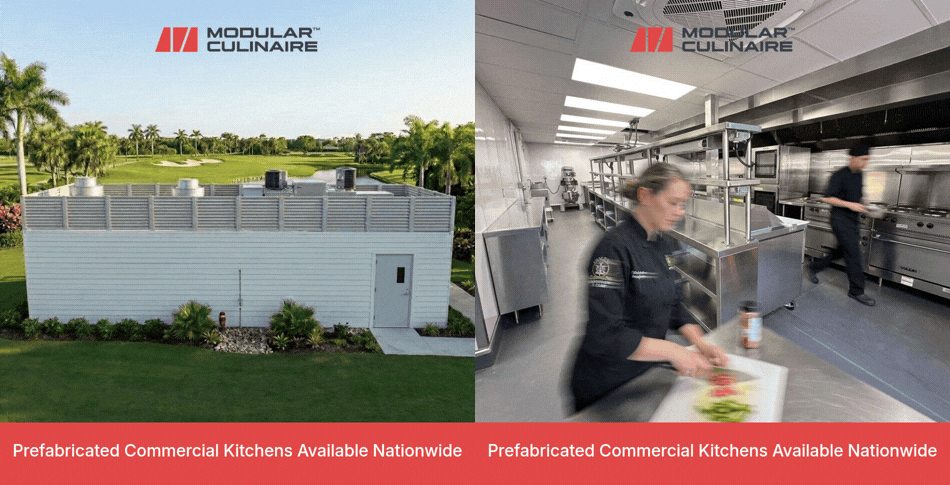
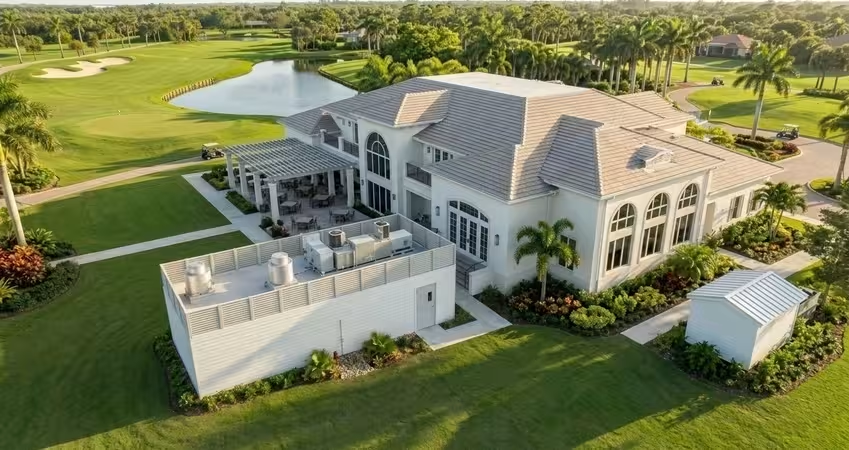
Most architects price a club kitchen the only way they've ever built one: trade by trade, on site. That assumption usually survives until a tight pre-opening date or a board-driven budget forces the question, and by then the foodservice consultant has often drafted the Division 11 spec around conventional construction, meaning the choice was effectively made without a factory-built kitchen ever on the table. A factory-built kitchen changes the sequencing, the trade count, and where the schedule risk sits, not the code it has to meet.
Here's where the two paths actually diverge, phase by phase.
Why This Comparison Usually Happens Too Late
The decision window is narrower than it looks. Once the foodservice consultant drafts the Division 11 equipment specification around a conventional build, a factory-built kitchen stops being an option and becomes a change order. The comparison only matters if it happens at programming, before that document exists.
Club chefs interviewed by Club + Resort Chef on recent renovations consistently point back to decisions made at the earliest design stage as the ones they'd revisit, and delivery method is one of them. A club kitchen project doesn't reopen to new delivery methods once design development starts. The architect sets the program, the foodservice consultant writes the equipment spec, and that spec is built around whatever construction method the team assumed from the start. If nobody raised a factory-built option at programming, nobody raises it again until something goes wrong: a schedule that won't hold, or a budget the board won't approve.
The Two Paths, Defined
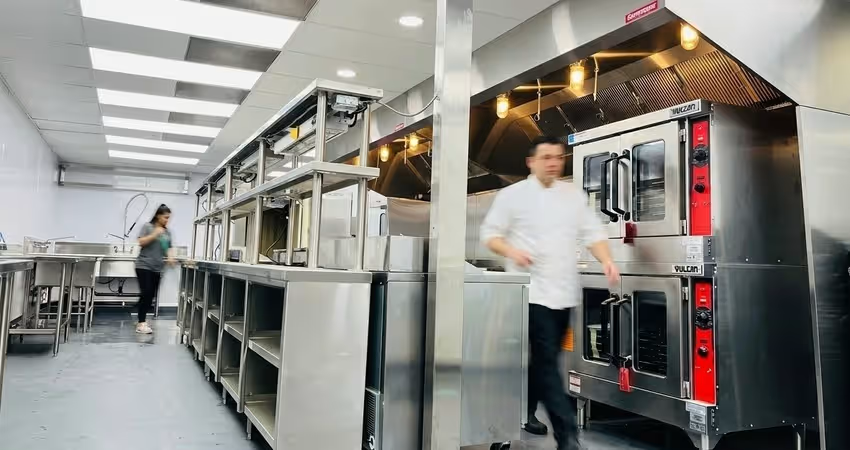
Site-built construction sequences trades on location, one after another. A factory-built kitchen is manufactured as a complete structure in parallel with site work, then delivered and connected. Both can produce a permanent, code-compliant club kitchen.
Site-Built
An architect, a general contractor, and a sequence of specialty trades (structural, MEP, ventilation, equipment installers) work on the club property, in order, over the length of the build.
Factory-Built
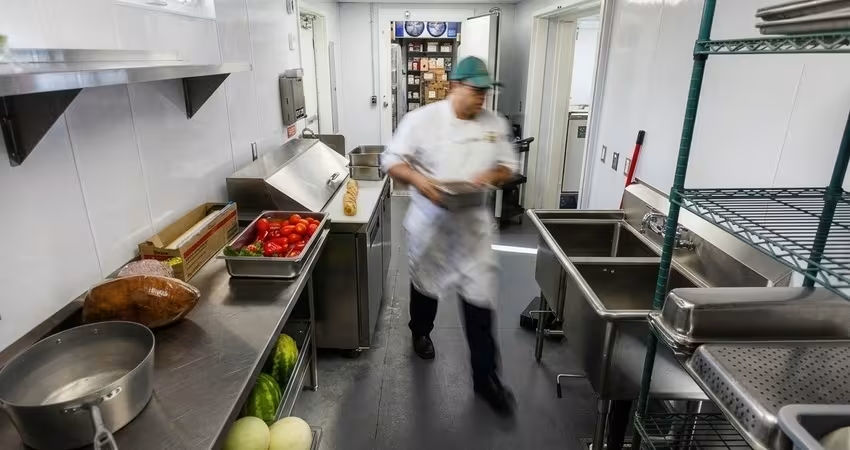
Structure, interior finishes, equipment, HVAC, and insulation are integrated at the plant, under one production schedule, while the site is prepared in parallel. The finished kitchen arrives, is set, and is connected to utilities on site.
What Doesn't Change
Neither path changes what the building has to meet: both answer to the same permit authority, fire code, and inspection process, and per Contractor Magazine (2026), the 2027 International Codes now fold in ICC/MBI off-site construction standards, giving jurisdictions a more consistent framework for approving factory-built components. The distinction the Modular Building Institute draws between modular construction and looser "prefab" labeling is worth knowing before a consultant's first question about it.
Schedule Shape: Where the Time Actually Goes
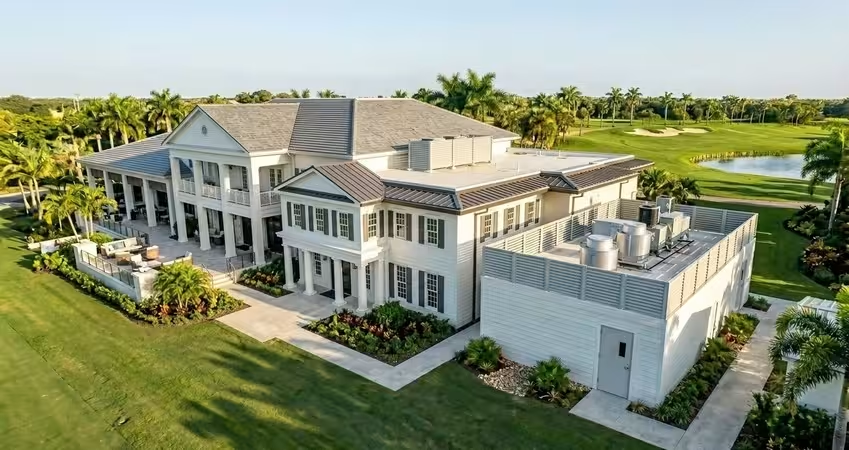
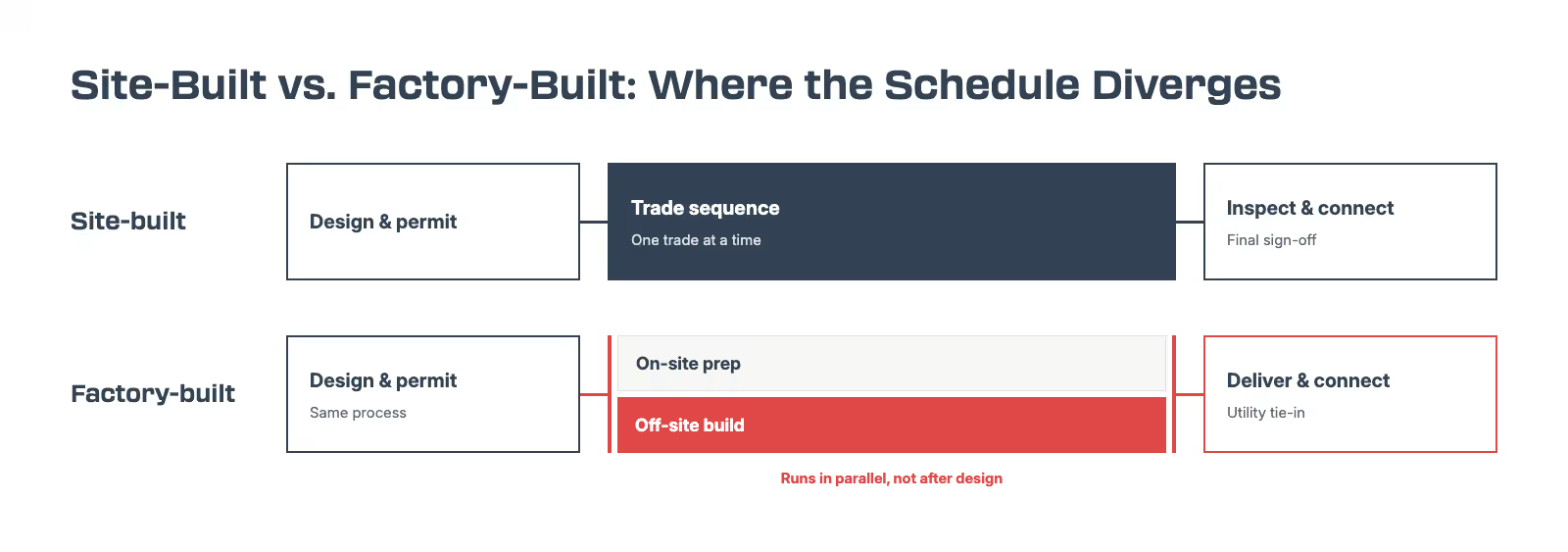
Site-built schedules move step by step, so a permitting delay or a late trade pushes every date after it. Factory-built schedules compress the critical path by running production off site while the club prepares the ground, which is what let two recent club and resort kitchens open against fixed dates.
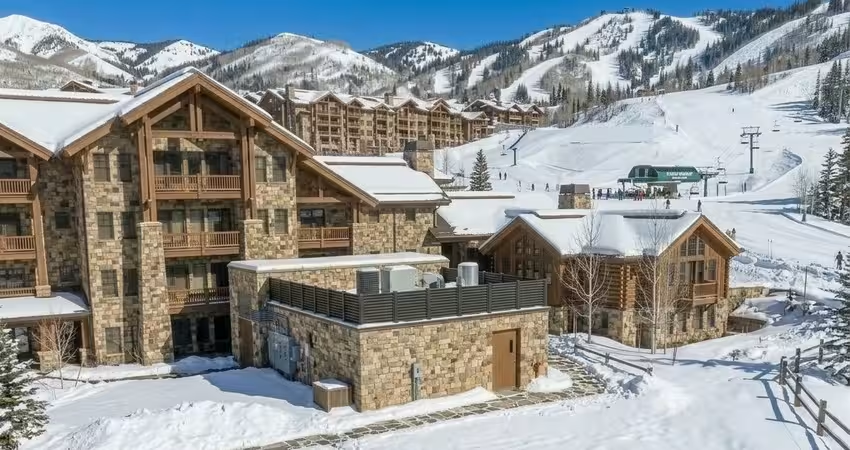
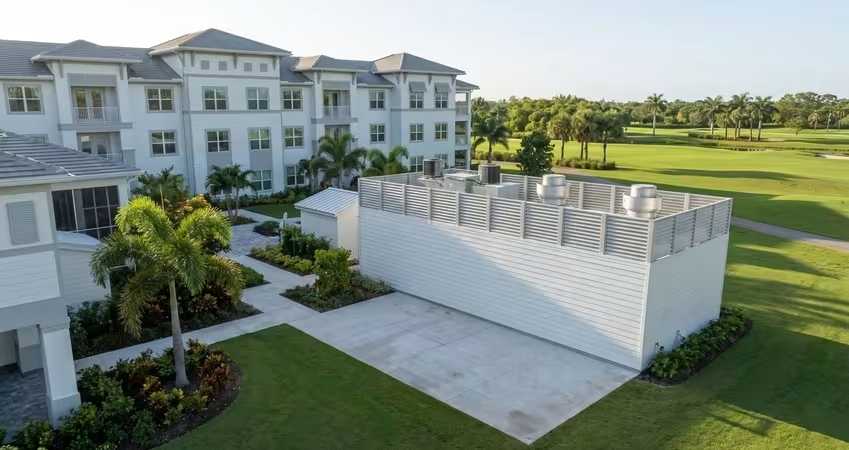
A club rarely has slack in its calendar. Tournament season, a member-event date, or a ski season opening doesn't move because a trade fell behind. Modular Culinaire's work on a private golf club in Florida went from production to installed kitchen in seven weeks against a tight pre-opening date. A ski resort project in Utah was manufactured inside a fixed May-to-September window, ahead of ski season, while site and foundation work ran on the same calendar.
In both cases, the factory schedule ran independently of what was happening on site, so a delay in one didn't become a delay in the other. That independence matters because, as Pro Builder reported from a 2023 International Builders' Show session, weather and site conditions are exactly what put a site-built schedule and budget at risk, while factory production runs outside that exposure.
Tip: If a project has a fixed, non-negotiable date (a season opening, a board-mandated reveal), ask what happens to that date if a single trade runs two weeks late under a site-built plan. That's the real comparison, not the headline timeline.
Trade Count and the Coordination Surface
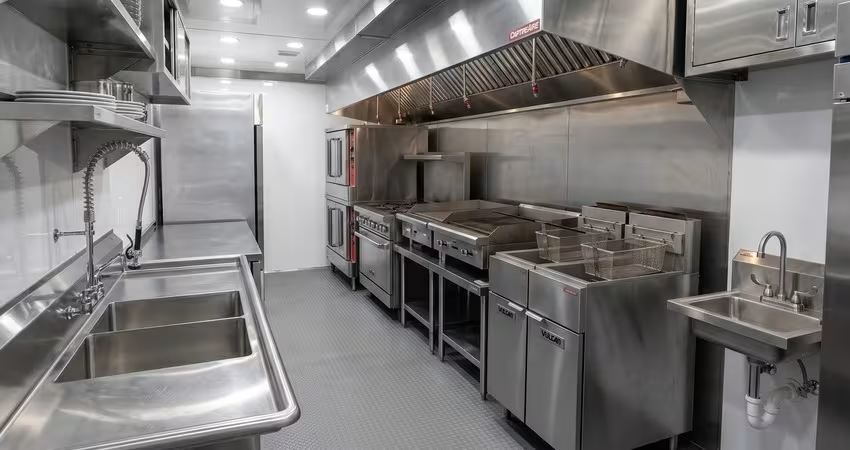
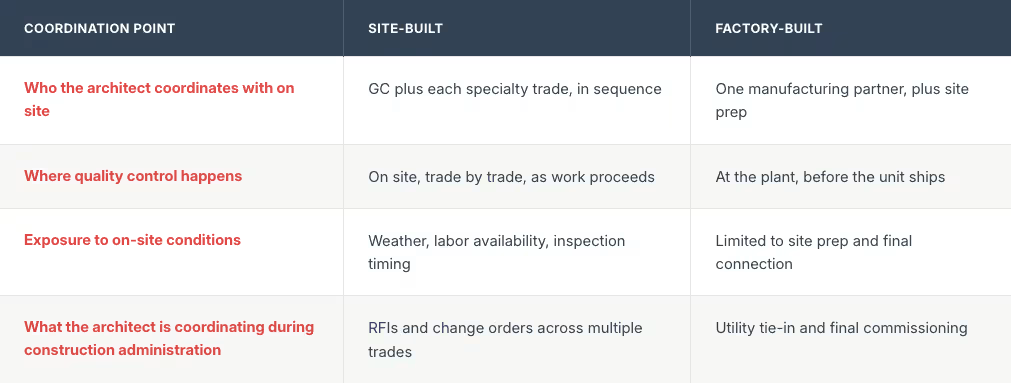
Site-built construction puts the architect in the middle of a dozen simultaneous trades on an active club property. A factory-built kitchen collapses that into one point of coordination, with equipment, HVAC, and MEP integrated before the unit reaches the site.
Where Coordination Responsibility Shifts
Why It Matters on an Active Club Property
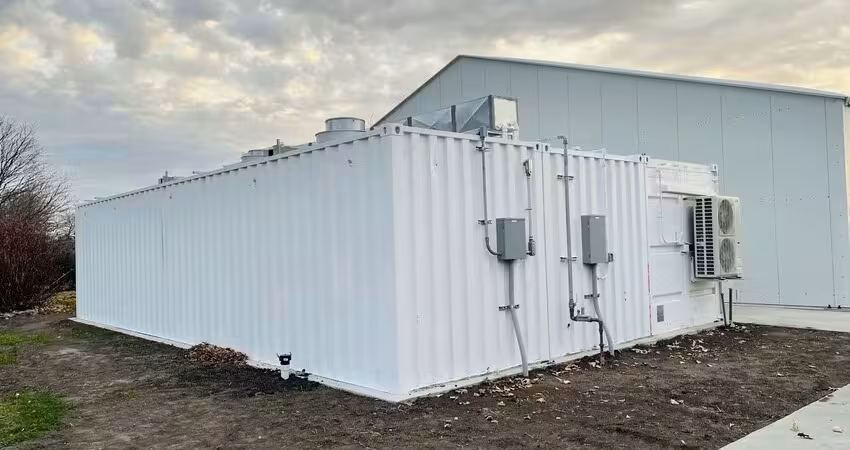
A club property is rarely a blank lot. Golfers, members, and events keep moving through the site during a build, and every added trade is more noise and schedule risk to manage. A factory-built kitchen doesn't eliminate site work, but it narrows the property itself to foundation, utility connection, and a short installation window.
Published research comparing permanent modular construction against site-built projects has found fewer average change orders on the modular side, a difference the research ties to quality control happening before the unit ships rather than trade by trade on site.
Cost Volatility, Not a Cost Comparison
This isn't a savings claim. Factory manufacturing controls cost by fixing the scope and schedule before the unit leaves the plant, which removes the volatility that comes from site-built change orders and conditions discovered mid-build. No percentage or dollar figure is being claimed here.
Site-built pricing rests on assumptions about site conditions and schedule, and those are exactly what tend to move once construction starts. A factory-built kitchen is priced against a fixed specification in a controlled environment, so the number a client sees at the start stays closer to the number at the end. That's a different claim than "cheaper," and the one worth making to a board more worried about an unpredictable number than a specific one.
The Real Gate: The Foodservice Consultant, Not the Architect
The architect can bring a factory-built kitchen to the table and put it in the basis-of-design, but they don't write the equipment specification. The foodservice consultant the architect engages does, and that consultant can decline any manufacturer regardless of how the architect feels about it.
Why Architects Miss This
This is the part architects most often miss. A club kitchen is the most consultant-dependent part of the building: the foodservice consultant positions themselves as independent and impartial on equipment, and according to a piece in Foodservice Equipment & Supplies on how FCSI-certified consultants select equipment, that role carries a fiduciary responsibility the consultant won't hand off lightly. An architect sold on the idea who can't get it past their own consultant has spent the introduction for nothing.
What Makes a Kitchen Specifiable
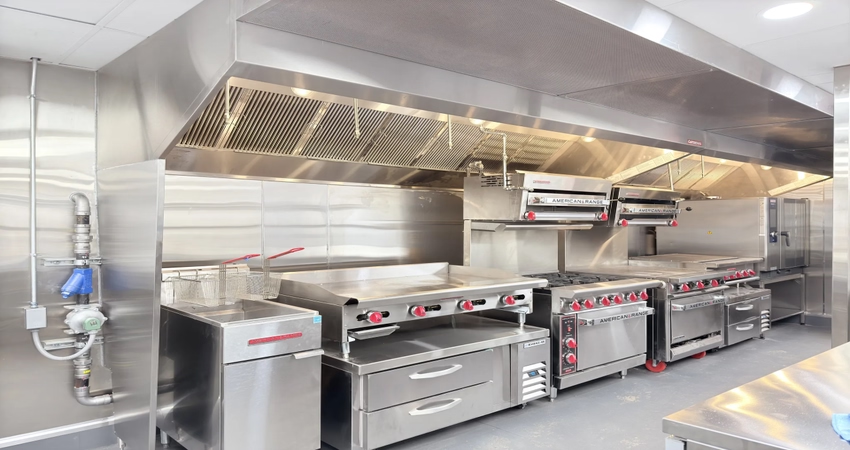
What changes the outcome is fitting the consultant's own process instead of asking them to depart from it: Revit and CAD families to place the kitchen in the model, and CSI-format Division 11 language the consultant can use directly. Modular Culinaire provides both, plus PE-stamped, signed and sealed drawings, putting a factory-built option inside the consultant's normal deliverable.
Note: The precise boundary between a factory-built kitchen's PE-stamped drawings and the architect of record's own stamp on the project set isn't something this article settles. Confirm the division of liability with the manufacturer before relying on it.
When Site-Built Is Still the Right Call
A factory-built kitchen isn't the answer for every club project. Irregular geometry tied to a historic structure, a kitchen small enough that trade count was never the real risk, or a site with no path for a crane can make site-built the more practical choice.
Where a kitchen has to thread through an existing, architecturally significant building with no standard module dimensions to work against, or the scope is small and the schedule was never tight, the coordination gain matters less. The honest version of this comparison includes that case, because a one-sided pitch is the fastest way to lose credibility on the next recommendation.
A factory-built kitchen is worth raising with the consultant whenever a project is still at programming, the timeline is genuinely tight, or trade count is driving the coordination hours. Once Division 11 is drafted around a conventional build, raise it for the next project instead.
Putting a Factory-Built Kitchen in the Basis-of-Design
The ask here isn't that an architect commit to a manufacturer. It's narrower: put a factory-built kitchen in the basis-of-design at programming, before the foodservice consultant drafts the equipment spec, and bring Modular Culinaire into that conversation alongside the consultant who'll actually write it. See what a prefabricated country club kitchen includes, then introduce the project and we'll work directly with your foodservice consultant from there.
Disclaimer
Permit requirements, inspection sequencing, and the liability split between a manufacturer's stamped drawings and the architect of record's own stamp vary by jurisdiction and by project. Confirm current requirements with the authority having jurisdiction and with legal counsel before relying on this article for a specific project.
People Also Ask (FAQ)
Can a Factory-Built Kitchen Be a Permanent Structure, Not a Rental?
Yes. A factory-built commercial kitchen is a permanent, code-compliant building, manufactured off site and delivered largely finished, then set on a foundation and connected to utilities. It's held to the same building and fire codes as a site-built kitchen and isn't removed or replaced the way a rental unit would be. The "temporary" assumption usually comes from confusing it with a mobile or leased kitchen trailer, a different product entirely.
Who Actually Writes the Kitchen Equipment Specification on a Club Project?
The foodservice consultant the architect engages writes the Division 11 equipment specification, not the architect. The architect assembles the design team and coordinates the consultant's kitchen design into the architectural set, but the consultant positions themselves as an independent voice on equipment and makes the final call on what gets specified.
Does a Factory-Built Kitchen Limit Exterior Design Options for a Club?
No. Exterior finishes, cladding, and whether the kitchen stands alone or attaches to an existing clubhouse are all customizable, and it integrates into the architectural set the same way a site-built addition would. What's fixed is the manufacturing process behind the walls, not the finished look members see.
Tell us about your kitchen needs and request a quote.

Turnkey prefabricated kitchen
Proudly made in-house in the USA
Commercial grade kitchen equipment
Code-compliant
Trusted by Industry Leaders



