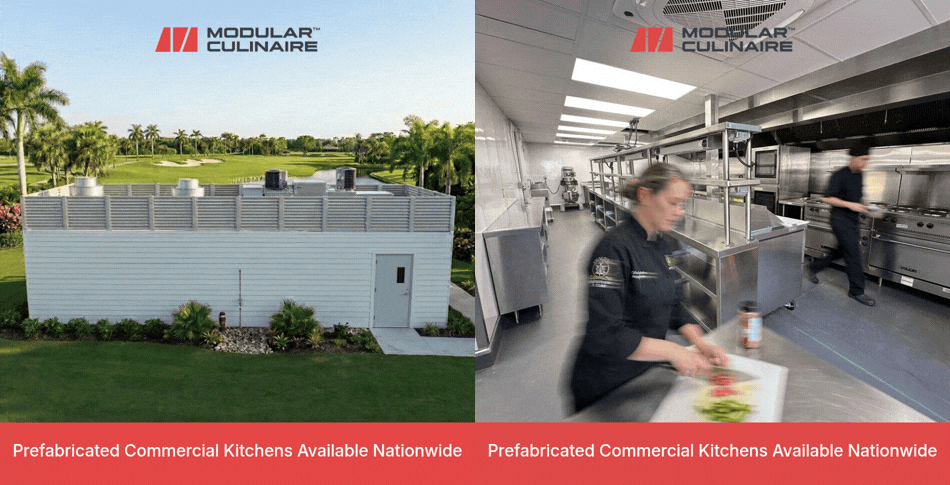
.jpeg)
Shipping container restaurants are revolutionizing how foodservice businesses design, build, and launch new concepts. From beachfront cafés and resort pop-ups to permanent fast-casual outlets, these modular restaurant structures deliver unmatched speed, flexibility, and cost control.
Unlike traditional brick-and-mortar builds, shipping container restaurants are prefabricated in controlled environments, ensuring faster timelines and consistent quality. With the modular restaurant market projected to grow at a CAGR of over 6% from 2023 to 2028, the appeal of shipping container kitchens is stronger than ever. They can be customized with fully equipped kitchens, customer seating, and branded finishes to create a unique dining experience virtually anywhere.
In this guide, you’ll discover everything you need to know about shipping container restaurants, including how they’re built, their benefits over conventional construction, cost considerations, and key compliance requirements. Whether you operate a hospitality brand or an independent restaurant, this resource will help you evaluate if a modular solution is right for your next project.
Introduction to Shipping Container Restaurants
A shipping container restaurant is a prefabricated facility built using one or more modified ISO shipping containers. These rugged steel structures are transformed into fully functional kitchens, complete with:
- Commercial-grade cooking equipment
- Integrated plumbing and electrical systems
- HVAC and ventilation compliant with NSF and NFPA standards
- Insulation and durable interior finishes
- Customizable exteriors to match your brand identity
Tip: Because containers are delivered 90–95% complete, the amount of site work required is minimal, usually limited to foundations, utility hookups, and final inspections.
Why the Shift Toward Modular Restaurants?
Traditional brick-and-mortar construction is becoming harder to justify for many operators. Here’s why more brands are choosing modular solutions:
Key Drivers:
- Rising Costs: Materials and labor costs have climbed steadily over the past decade, making traditional builds unpredictable.
- Labor Shortages: Chronic labor gaps in construction can delay projects by months.
- Supply Chain Disruptions: Long lead times for materials make scheduling difficult.
- Sustainability Demands: Companies are under pressure to reduce waste and emissions.
Shipping container restaurants tackle all four challenges head-on:
- Off-Site Construction: Reduces weather-related delays and compresses build schedules.
- Controlled Production: Keeps budgets predictable and quality consistent.
- Reduced Waste: Generates up to 70% less construction waste.
- Faster ROI: Units can often be operational in 3–6 months.
Note: If you operate seasonally or in hard-to-access areas, modular construction allows you to build during off-season periods and install right before your high season begins.
Learn more about shipping container restaurants here!
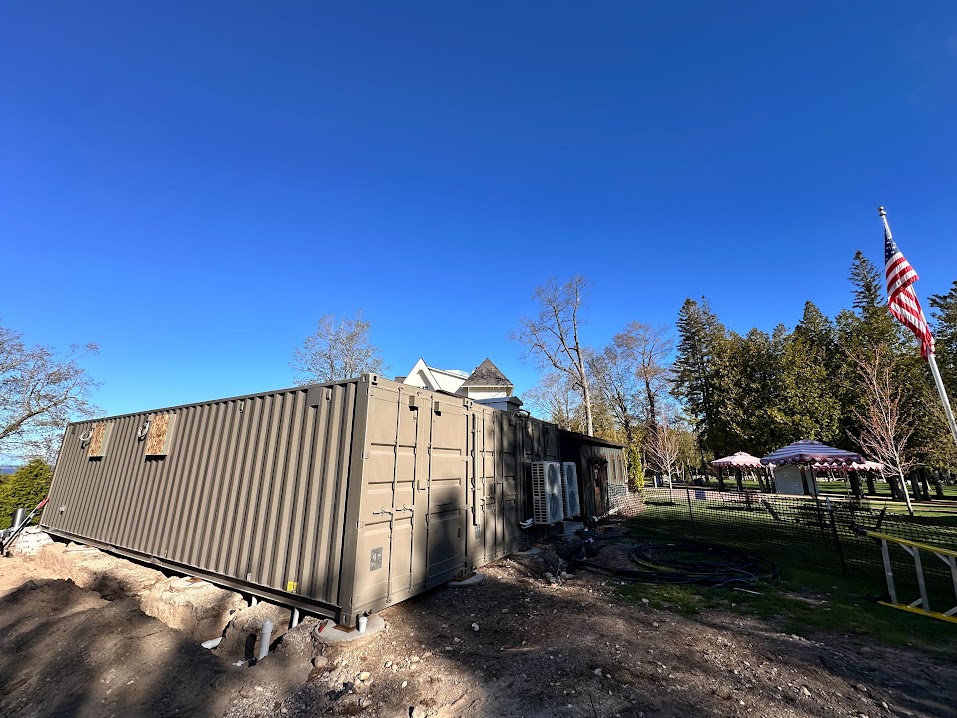
Why Choose a Shipping Container Restaurant? Top Advantages
Speed to Market
Shipping container restaurants can launch up to 50% faster than traditional builds. While brick-and-mortar construction often takes 12–18 months, modular kitchens are typically ready in 8–16 weeks, helping operators meet demand quickly.
Note: Faster openings mean faster revenue and less downtime.
Cost Savings
A conventional restaurant can cost $275,000–$1,000,000 to build. Modular solutions reduce capital expenses by up to 50% thanks to:
- Less labor required
- Shorter build times
- Minimal site work
Note: Modular Culinaire shipping container restaurants start at $168,000, offering faster ROI with less upfront risk.
Minimal Site Disruption
Because 95% of construction happens off-site, installation requires little more than placing the unit and connecting utilities. This minimizes noise, traffic, and operational impact on existing facilities.
Sustainability
Shipping container restaurants:
- Generate up to 70% less waste
- Cut carbon emissions by 18%
- Use recyclable materials
Note: Sustainable builds support LEED goals and customer expectations.
Durability in Any Environment
Built with Corten steel and commercial-grade materials, these units withstand harsh climates, high humidity, and heavy use. From ski resorts to beachfront venues, they remain operational and low maintenance year-round.
Flexible and Scalable
Modular construction allows easy expansion with additional units. Units can also be relocated or reconfigured to match evolving business needs.
Many clients use additional units for:
- Walk-in coolers and freezers
- Dishwashing and prep kitchens
- ADA-compliant restrooms
- Bar and beverage stations
Custom Design
Exterior cladding, signage, and serving counters can be customized. Inside, every layout is built to support your team’s operational workflow, from line cooking and prep stations to cold storage and dish areas.
Learn more about shipping container restaurant advantages here!
%2520(1).jpeg)
Who Are Shipping Container Restaurants Good For? Use Cases & Applications
Shipping container restaurants are a flexible solution for businesses that need speed, durability, and low disruption. From remote resorts to high-traffic urban pop-ups, these modular kitchens meet diverse operational needs.
Budget-Conscious Projects
Operators looking to control costs benefit from 20–30% savings compared to traditional builds. Predictable budgets and fast ROI make modular kitchens ideal in high-cost regions.
Remote or Hard-to-Access Locations
Perfect for islands, ski resorts, and parks, these units are built off-site and delivered fully equipped, reducing the need for local infrastructure.
Tight Deadlines
Modular kitchens can be operational in 3–6 months, allowing seasonal venues and event spaces to open on schedule without lengthy construction.
Minimal Site Disruption
Hotels, golf courses, and entertainment venues rely on modular setups to expand foodservice without disturbing daily operations or guest experiences.
Renovations and Temporary Use
During upgrades or renovations, shipping container kitchens serve as temporary replacements, maintaining service continuity until permanent spaces reopen.
Phased Expansion and Pop-Ups
Ideal for testing new markets or launching seasonal concepts, modular restaurants can be relocated, reconfigured, or scaled as your business grows.
Originality and Design Flexibility
Containers can be custom-branded inside and out, supporting everything from casual quick-serve designs to premium resort experiences.
Popular Use Cases Include:
- Beach Resorts & Island Hotels: Weather-resistant units that thrive in humid coastal climates.
- Amusement Parks: Themed restaurants that serve high volumes with minimal downtime.
- Ski Resorts: All-weather restaurants deployed before seasonal peaks.
- Golf Courses & Country Clubs: Flexible foodservice without major infrastructure.
- Urban Pop-Ups & QSRs: Fast deployment in high-traffic areas.
- Events & Festivals: Mobile, high-capacity foodservice that relocate easily.
Tip: If your project demands speed, flexibility, and cost control, modular construction may be your best path forward.
Learn more about shipping container restaurant use cases & applications here!
.jpeg)
Shipping Container Restaurant vs. Brick and Mortar: Cost, Time, Code & ROI
Shipping container restaurants are challenging the traditional brick-and-mortar model by offering lower costs, faster launch timelines, and greater flexibility. Here’s how the two formats stack up:
Startup Costs
Brick-and-Mortar: $250,000–$1M+, plus land acquisition, lengthy permitting, and months of on-site labor.
Shipping Container: $75,000–$250,000, with most construction completed off-site. Lower risk of delays and fewer unexpected costs.
Tip: Modular restaurants are often eligible for accelerated depreciation and tax incentives, improving cash flow in early years.
Build Time & Deployment
Brick-and-Mortar: Typically 9–15 months or longer from design to opening.
Shipping Container Restaurant: Usually 2–3 months, thanks to parallel site prep and factory fabrication.
Note: Faster openings mean quicker revenue and reduced carrying costs.
Code Compliance
Both models use the same commercial-grade equipment and must meet IBC, health, and fire codes.
Brick-and-Mortar: Compliance managed on-site, often involving multiple contractors and inspections.
Shipping Container: Systems are pre-integrated and inspected off-site, streamlining approvals and reducing rework.
Return on Investment (ROI)
Brick-and-Mortar: Breakeven in 3–5 years is common due to high upfront costs.
Shipping Container Restaurant: Breakeven in 12–18 months, driven by lower capital requirements and faster openings.
Learn more about the differences between shipping container and brick and mortar restaurants here!
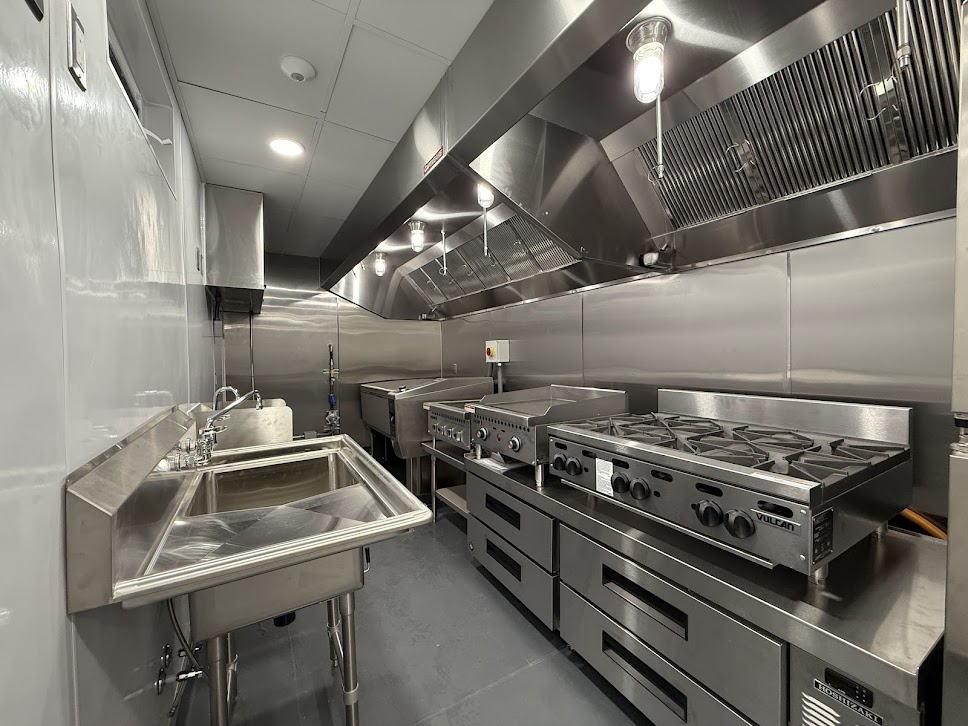
How to Design a Shipping Container Restaurant
Designing a shipping container restaurant combines smart planning, efficient layouts, and code compliance to create a fully functional kitchen in a compact space. Here’s what you need to know:
1. Clarify Your Concept and Menu
Your menu drives layout, equipment, and utilities. A simple coffee stand has very different requirements than a full-service kitchen. Think through prep space, cold storage, and ventilation early.
2. Choose the Right Container Size
Standard options include:
- 20-foot container: ~160 sq. ft.
- 40-foot container: ~320 sq. ft.
Note: Multiple containers can be combined or stacked for more space.
3. Plan an Efficient Layout
Separate your kitchen into clear zones:
- Prep
- Cooking
- Cleaning
- Service
Note: Allow at least 36 inches of aisle space and keep the work triangle clear to reduce congestion.
4. Engineer Utilities and Systems
Coordinate electrical, plumbing, and HVAC plans early. Important considerations:
- Calculate total amp load
- Size HVAC for metal structures prone to overheating
- Use NSF-certified hoods and fire suppression systems
5. Meet Codes and Permits
Shipping container restaurants must follow the same health, fire, and building codes as traditional builds:
- NSF-compliant finishes
- ADA-accessible entries
- NFPA 96 ventilation
Note: Engage local officials early to avoid delays.
6. Select Space-Efficient Equipment
Use compact, multifunctional appliances like:
- Countertop induction ranges
- Undercounter refrigerators
- Ventless combi ovens
Note: Confirm compatibility with power and ventilation.
7. Design for Branding and Experience
Make your container stand out with:
- Custom cladding and signage
- Branded colors and finishes
- Walk-up windows or drive-thru lanes
Note: Inside, use bright lighting and clean finishes to feel spacious and inviting.
Pro Tips:
- Budget 10–15% extra for unexpected site or permitting costs.
- Prioritize ergonomics and clear workflow over packing in features.
- Insulate thoroughly to avoid heat buildup.
- Keep designs simple and scalable.
Learn more about how to design a shipping container restaurant here!
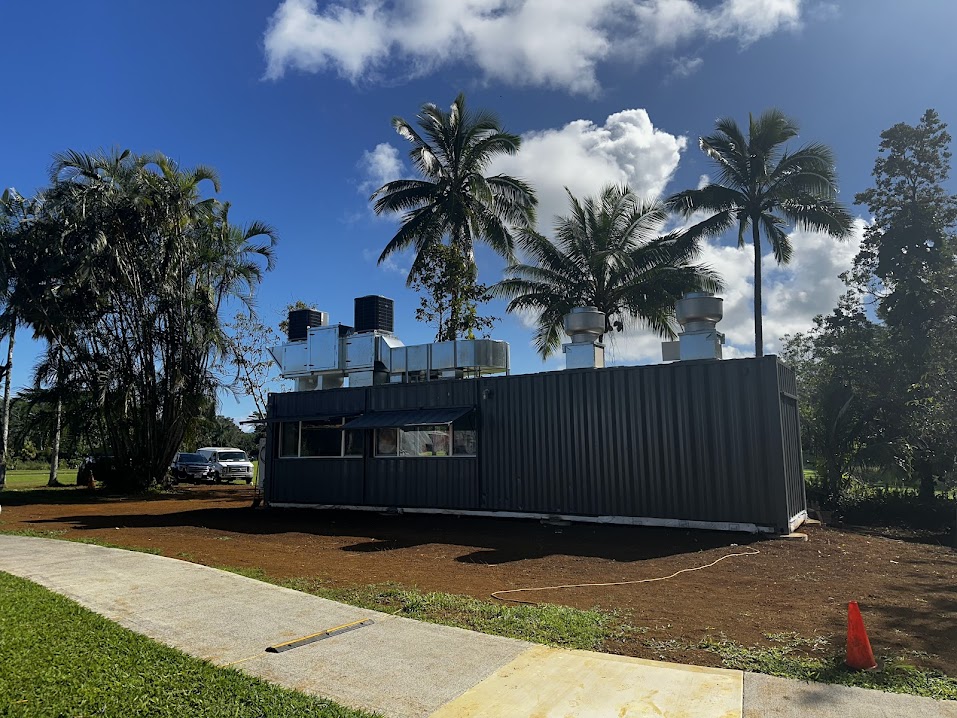
How Long Does It Take to Deploy a Shipping Container Restaurant?
Typical Timeline
The Modular Building Institute estimates that prefabricated construction can reduce project schedules by 30–50% while improving quality control**.** Shipping container restaurants can open in 8–12 weeks. This speed is possible because design, fabrication, and site prep happen in parallel.
Key Phases and Duration
- Design & Engineering: 2–6 weeks, depending on custom or pre-engineered plans.
- Permitting: 4–24 weeks, influenced by jurisdiction and plan completeness.
- Off-Site Fabrication: 4–12 weeks in a controlled facility.
- Site Preparation: 3–6 weeks, often overlapping with fabrication.
- Delivery & Installation: 1–2 weeks for crane placement and hookups.
- Final Commissioning: 1–2 weeks for testing, inspections, and training.
What Affects Your Timeline?
- Design complexity and customization
- Local permitting and inspection processes
- Kitchen equipment lead times
- Transportation logistics and site access
How to Launch Faster
- Choose standard layouts to avoid delays.
- Order equipment early.
- Start site prep during fabrication.
- Pre-schedule inspections with local agencies.
Note: Pre-approved modular designs often move through permitting and installation quicker.
Learn more about shipping container restaurant timelines here!
Shipping Container Restaurant Code Requirements: What You Need to Know
Opening a shipping container restaurant means meeting the same codes and regulations as any permanent foodservice facility. While these units are modular and faster to install, compliance is critical to avoid delays, fines, or shutdowns.
Key Regulatory Areas to Address
Local Zoning Laws
Check whether your site allows container-based foodservice. Zoning issues account for 25% of startup delays.
Building Codes
You must meet International Building Code (IBC) standards for:
- Structural modifications
- Egress and fire safety
- Mechanical, electrical, and plumbing systems
- Accessibility
Health Department Compliance
Expect requirements such as:
- Three-compartment sinks
- NSF-certified surfaces
- Proper wastewater disposal
- Handwashing stations
Fire Safety
Most jurisdictions require:
- UL 300 fire suppression
- NFPA 96 hood ventilation
- Non-combustible finishes
ADA Accessibility
Include:
- Wheelchair-accessible entrances and counters
- Turning clearances
- ADA-compliant restrooms if provided
Environmental Standards
Be prepared for:
- Grease interceptor installation
- Energy-efficient equipment
- Sustainable materials
Learn more about shipping container restaurant code requirements here!
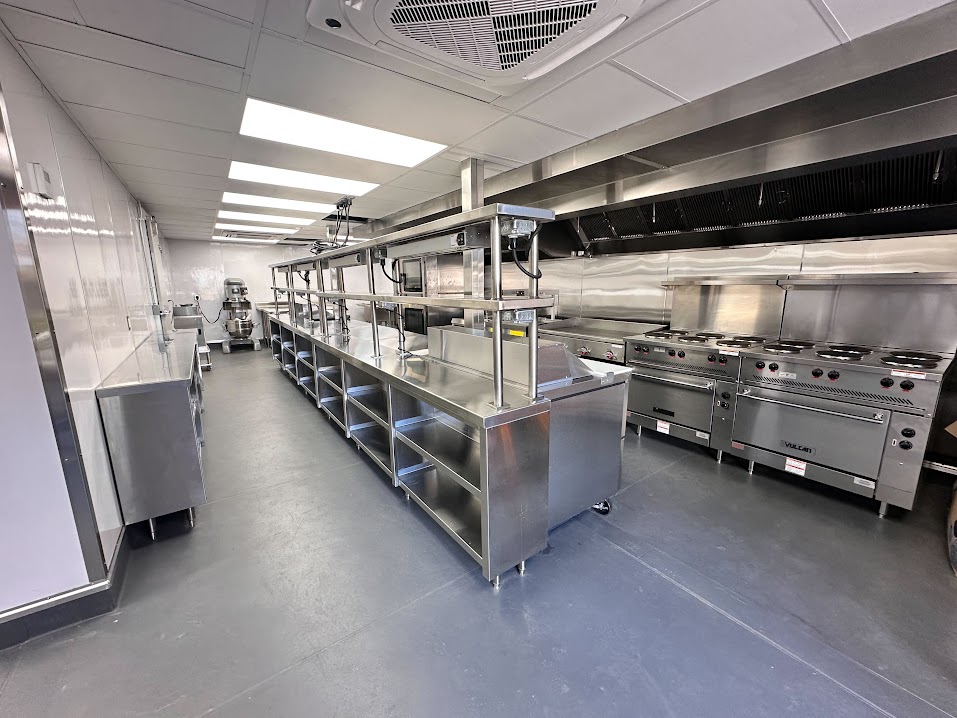
Commercial Kitchen Exhaust Hood Guide: Types, Requirements, and Installation Tips
Choosing the right exhaust hood is critical for safety, code compliance, and performance. Here’s what you need to know:
Types of Hoods
Type I Hoods
For grease-producing equipment like fryers and grills.
- Require fire suppression systems
- Must comply with NFPA 96
Type II Hoods
For heat and steam (e.g., ovens, dishwashers).
- No fire suppression needed
- Focus on moisture removal
Sizing and Installation
- Overhang appliances by 6 inches on all sides
- Calculate proper CFM airflow based on equipment BTUs
- Use corrosion-resistant ductwork
- Integrate UL 300 fire suppression systems
Tip: Always submit detailed MEP plans to your local building department before installation.
Maintenance and Compliance
- Clean grease filters weekly
- Schedule duct cleaning every 3–6 months
- Keep NFPA 96 cleaning logs up to date
- Have fire systems inspected twice yearly
Why Modular Kitchens Help
Modular Culinaire modular kitchens come 95% complete with hoods and fire systems pre-installed, speeding up approvals and ensuring code compliance.
Tip: The right hood setup prevents fines, insurance issues, and fire hazards while keeping your kitchen running safely.
Learn more about commercial kitchen exhaust hoods here!
.jpeg)
Conclusion
Shipping container restaurants have redefined what’s possible in modern food service construction. From accelerated timelines and lower costs to unmatched flexibility and sustainability, they offer a clear path for operators seeking faster ROI and scalable growth. Whether you’re launching a seasonal pop-up, expanding a resort’s culinary footprint, or building your next quick-service concept, modular kitchens combine efficiency with quality to help you serve guests sooner and smarter.
Modular Culinaire specializes in turnkey modular restaurant solutions built to meet the highest standards of performance, safety, and compliance. Every kitchen is engineered, fabricated, and pre-fitted with commercial-grade equipment, fire suppression, and ventilation systems so you can launch faster with complete peace of mind. From concept and permitting to delivery and support, our team guides you through every step.
Ready to bring your restaurant vision to life? Explore Modular Culinaire modular kitchens or contact our team to get started.
People Also Ask (FAQ)
What is a shipping container restaurant?
A shipping container restaurant is a fully equipped foodservice facility built from ISO-grade containers, prefabricated off-site, and installed quickly with integrated kitchen systems.
How much does a shipping container restaurant cost?
Costs typically range from $75,000–$250,000 depending on size, layout, and equipment. This is 20–50% less than traditional restaurant builds.
How long does it take to build a shipping container restaurant?
Most projects are operational in 8–12 weeks, compared to 9–15 months for conventional construction.
What are the advantages of shipping container restaurant?
Lower construction costs (20–30% less), faster time to market, minimal site disruption, and the flexibility to expand, relocate, or reconfigure your restaurant.
Tell us about your kitchen needs and request a quote.

Turnkey prefabricated kitchen
Proudly made in-house in the USA
Commercial grade kitchen equipment
Code-compliant
Trusted by Industry Leaders



